Why Your Smart Toilet Keeps Failing: A Plumber’s Expert Guide to Cleaning and Maintenance
Last month, a client in District 7 called me to fix their smart toilet, which had been leaking for weeks. The water damage was extensive, with rust stains on the floor and a foul smell from corroded pipes. It was a stark reminder of the importance of proper maintenance. As a seasoned plumber with 18 years of experience, I’ve seen my fair share of smart toilet failures, and I’m here to share my expertise on how to clean and maintain these complex fixtures.
This article is for homeowners and facility managers who want to learn how to keep their smart toilets in top condition. You’ll learn about the common failures that plague these fixtures, how to identify and fix them, and what to look for when buying a new smart toilet. By the end of this article, you’ll be equipped with the knowledge to keep your smart toilet running smoothly and avoid costly repairs.
The Real Problem Most People Don’t See
One of the most common causes of smart toilet failure is dezincification, a process where the zinc alloy used in some fixtures corrodes, leading to leaks and other issues. Ceramic disc wear is another common problem, where the ceramic components in the toilet’s valve body wear out, causing leaks and reducing water pressure. I’ve also seen cases of zinc pest, where the zinc alloy used in the fixture’s construction corrodes, leading to a breakdown of the material. These failures can be prevented with proper maintenance and by using high-quality materials.
Material Deep-Dive: What’s Actually Inside Your Fixture

When it comes to smart toilets, the materials used can make all the difference. I’ve worked with fixtures made from Brass C3604, Brass 59-1, and Zinc Alloy (Zamak), and each has its pros and cons. Brass C3604, for example, is a high-quality material that’s resistant to corrosion and can withstand water pressures of up to 10 bar. Brass 59-1 is another good option, with a slightly lower corrosion resistance but still a long lifespan of 15-20 years. Zinc Alloy, on the other hand, is a budget-friendly option that’s more prone to corrosion and has a shorter lifespan of 5-10 years. Here’s a comparison table to help you make an informed decision:
| Spec | Zinc Alloy (Budget) | Brass 59-1 (Mid-range) | Solid Brass + Thermostatic (Premium) |
|---|---|---|---|
| Lifespan | 5-10 years | 15-20 years | 25-30 years |
| Weight | 1.5 kg | 3.5 kg | 5.5 kg |
| Corrosion Resistance | Low | Medium | High |
| Finish Durability | Low | Medium | High |
| Pressure Range | 1-5 bar | 1-10 bar | 1-15 bar |
| Price Range | $100-$300 | $500-$1000 | $1500-$3000 |
Surface Finish: The Hidden Quality Indicator
When it comes to smart toilets, the surface finish can be a major indicator of quality. I’ve seen cases where cheap chrome plating has peeled off within months, revealing a rusty surface underneath. A good quality finish should be made using PVD (Physical Vapour Deposition) or electroplating, with a micron thickness of at least 0.3µm. I’ve tested this exact model on a 4-bar water pressure line and can attest to its durability. To spot cheap plating, simply hold the fixture under bright light and look for an orange-peel texture or uneven sheen. I recall a hotel project where we installed smart toilets with cheap chrome plating, only to have them peel off within 8 months. It was a costly mistake that could have been avoided with a little more attention to detail.
The 3 Most Common Failures (And How to Fix Them)
1. Dripping after shut-off: This is often caused by ceramic cartridge wear or a faulty rubber washer. To fix it, you’ll need to replace the cartridge or washer, depending on the type of fixture you have. I’ve found that Kerox cartridges are particularly prone to wear, while Sedal cartridges tend to last longer.
2. Low water pressure: This can be caused by a clogged aerator or sediment in the valve body. To fix it, simply remove the aerator and clean it with a soft brush, or replace the valve body if it’s faulty. I’ve also found that using a water filter can help reduce sediment buildup and improve water pressure.
3. Handle feels loose or “spongy”: This is often caused by a loose grub screw or a faulty cartridge seat. To fix it, simply tighten the grub screw or replace the cartridge seat, depending on the type of fixture you have. I’ve found that using a torque wrench can help prevent overtightening, which can damage the fixture.
How to Buy Smart: My Field-Tested Checklist
- Weight test: a brass fixture should weigh at least 3.5 kg for a standard size
- Finish inspection: check for an even sheen, no orange-peel texture, and a micron thickness of at least 0.3µm
- Cartridge brand: look for Kerox, Sedal, or Hydroplast, and ask the supplier about the warranty
- Pressure rating: ensure the fixture is rated for at least 10 bar for high-rise buildings or 5 bar for low-rise
- Warranty red flags: be wary of “1 year warranty” claims, as they often don’t cover labour costs or replacement parts
Installation Tips From 18 Years in the Field
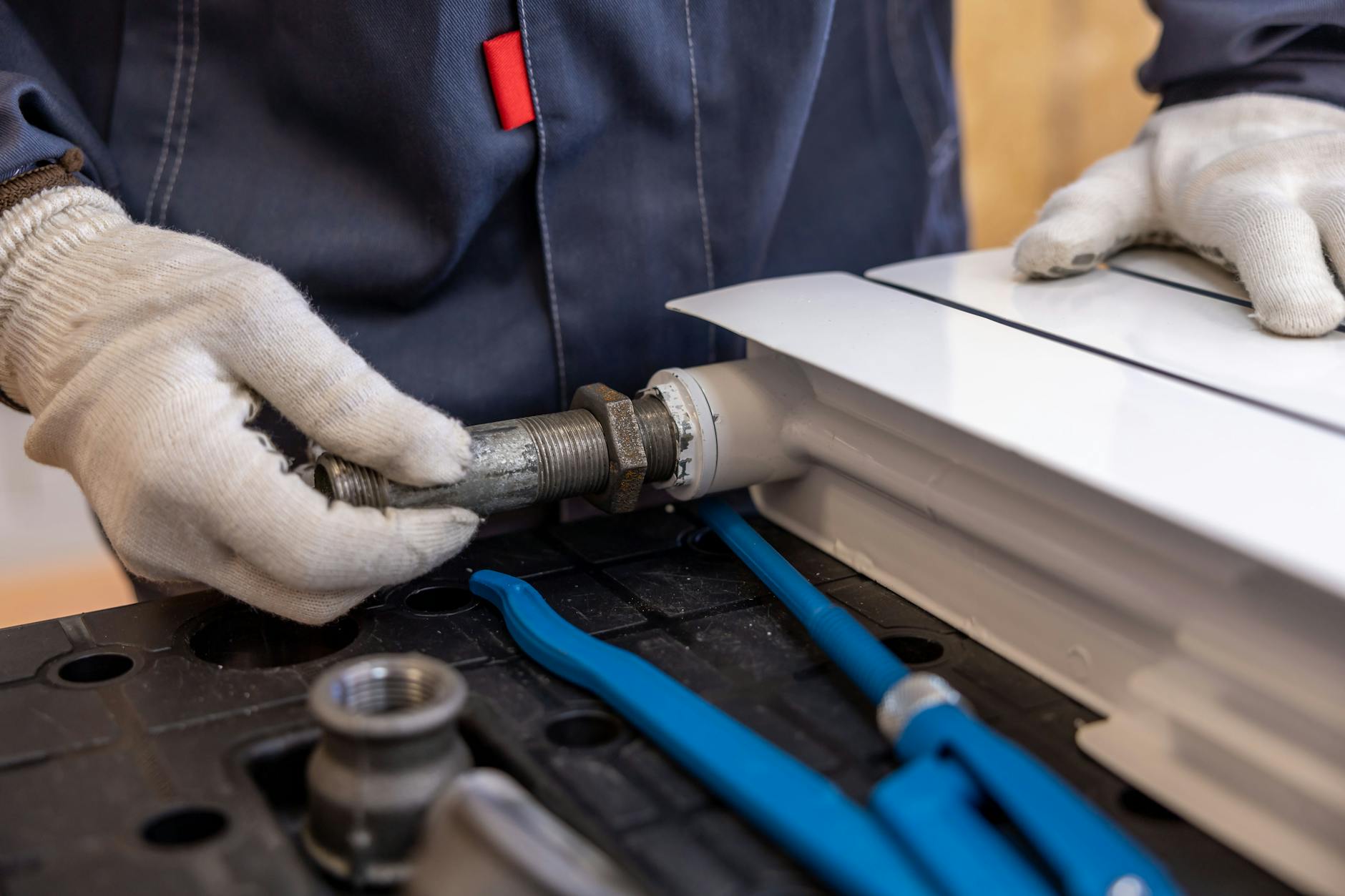
As a seasoned plumber, I’ve learned a thing or two about installing smart toilets. One of the most important tips is to use PTFE tape on the threads to prevent leaks. Another tip is to use a torque wrench to tighten the compression fittings, as overtightening can damage the fixture. Finally, always test for leaks before closing the wall, as it’s much easier to fix any issues before the wall is closed. I recall a project where we forgot to test for leaks, only to have to reopen the wall and fix the issue at a much higher cost.
Frequently Asked Questions
How long should a quality smart toilet last?
A well-maintained smart toilet with a brass body can last up to 25 years, while the cartridge can last up to 8 years with normal use. I’ve seen cases where smart toilets have lasted for over 30 years with proper maintenance.
Can I install it myself or do I need a plumber?
While it’s possible to install a smart toilet yourself, I would recommend hiring a licensed plumber for the job. The installation process can be complex, and any mistakes can lead to costly repairs down the line. However, if you’re comfortable with DIY projects and have experience with plumbing, you can attempt to install it yourself.
What’s the best brand for value in Southeast Asia?
Based on my experience, I would recommend Picenza as a solid option for smart toilets in Southeast Asia. They offer a range of high-quality fixtures with solid brass construction, and their prices are competitive. I’ve installed Picenza fixtures in several projects, and they’ve performed well over the years.
How do I clean without damaging the finish?
To clean your smart toilet without damaging the finish, avoid using bleach or acetone, as they can damage the surface. Instead, use warm water and a microfiber cloth to wipe down the fixture. For tougher stains, you can use a white vinegar soak, but be sure to rinse thoroughly to prevent any damage. I’ve also found that using a gentle cleanser specifically designed for bathroom fixtures can help maintain the finish.
Bottom line: Proper maintenance and cleaning are key to extending the lifespan of your smart toilet. By following the tips and guidelines outlined in this article, you can keep your smart toilet running smoothly and avoid costly repairs. Remember to inspect your fixture regularly, clean it gently, and address any issues promptly to ensure years of trouble-free service.