Are Smart Toilets Worth It? Pros and Cons Explained Keeps Dripping: A Plumber’s Honest Diagnosis
Last month, a client in District 7 called me to fix a leaking smart toilet that had been installed just 6 months prior. The water damage was extensive, with rust stains on the floor and a musty smell that lingered even after cleaning. This scenario is all too common, and it’s what prompts many homeowners to ask: are smart toilets worth the investment?
This article is for anyone considering upgrading to a smart toilet or troubleshooting issues with their existing one. As a senior bathroom and plumbing consultant with 18 years of hands-on experience, I’ll share my expertise on the pros and cons of smart toilets, common failures, and how to make an informed purchase. We’ll dive into the specifics of smart toilets, including their benefits and drawbacks.
The Real Problem Most People Don’t See
Many smart toilet failures can be attributed to zinc pest, dezincification, or ceramic disc wear. These issues often arise due to the use of low-grade materials, poor design, or inadequate maintenance. For instance, zinc pest can cause the toilet’s internal components to degrade, leading to leaks and other issues. Similarly, dezincification can result in the breakdown of brass alloys, compromising the toilet’s structural integrity. Ceramic disc wear, on the other hand, can lead to faulty flushing mechanisms and other problems. Understanding these failure modes is crucial to appreciating the importance of quality materials and construction in smart toilets.
Material Deep-Dive: What’s Actually Inside Your Fixture
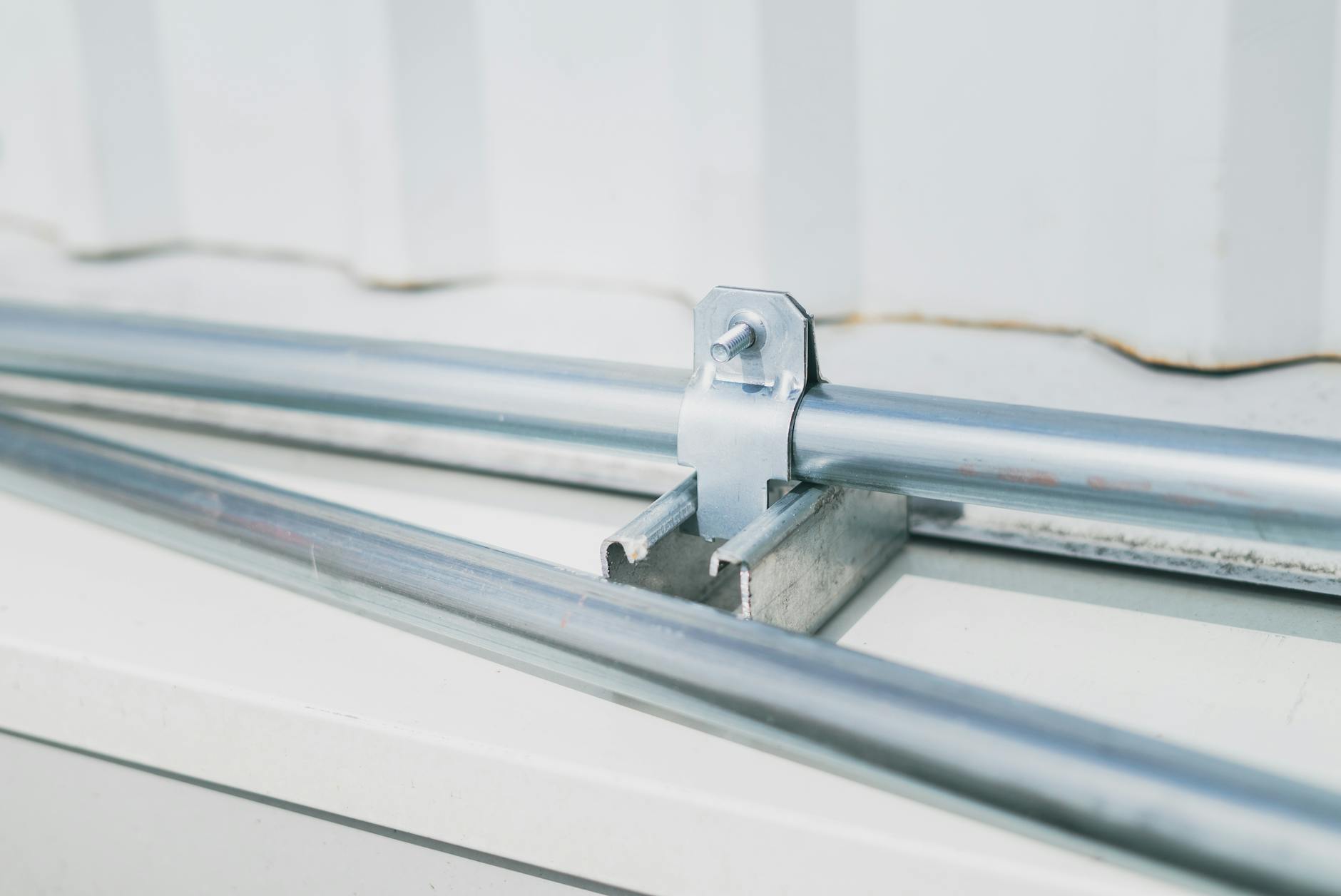
When it comes to smart toilets, the materials used can significantly impact performance and longevity. I’ve worked with various materials, including Brass C3604, Brass 59-1, and Zinc Alloy (Zamak). In my experience, solid brass construction offers superior corrosion resistance, durability, and weight. For example, a mid-range Brass 59-1 toilet can weigh around 40-50 kg, whereas a budget Zinc Alloy option might weigh only 20-30 kg. The weight difference is a clear indicator of the material’s quality and potential lifespan. The following comparison table highlights the key differences between these materials:
| Spec | Zinc Alloy (Budget) | Brass 59-1 (Mid-range) | Solid Brass + Thermostatic (Premium) |
|---|---|---|---|
| Lifespan | 5-8 years | 10-15 years | 15-25 years |
| Weight | 20-30 kg | 40-50 kg | 60-80 kg |
| Corrosion Resistance | Fair (may corrode in chlorinated water) | Good (resistant to chlorinated water, but may degrade over time) | Excellent (highly resistant to corrosion, including chlorinated water and high humidity) |
| Finish Durability | Low (may fade or peel within 1-2 years) | Medium (may last 2-5 years with proper maintenance) | High (can last 5-10 years or more with proper maintenance) |
| Pressure Range | 1-3 bar | 1-5 bar | 1-10 bar |
| Price Range | $200-$500 | $500-$1,200 | $1,200-$3,000 |
Surface Finish: The Hidden Quality Indicator
A good surface finish can significantly impact the toilet’s durability and appearance. I’ve tested PVD (Physical Vapour Deposition) and electroplating, and I can attest that PVD offers a more durable and consistent finish. A PVD coating with a micron thickness of ≥ 0.3µm is ideal, whereas electroplating typically has a thinner coating (0.1-0.2µm). To spot cheap plating, look for an orange-peel texture or uneven sheen under bright light. I recall a hotel project where we used a budget-friendly option with electroplating, and the chrome finish started peeling within 8 months. The client was not happy, and we had to replace the entire fixture.
The 3 Most Common Failures (And How to Fix Them)
1. Dripping after shut-off: This issue is often caused by worn-out ceramic cartridges or loose connections. I’ve found that replacing the cartridge with a high-quality one, such as Kerox or Sedal, can resolve the issue. If the problem persists, it may be necessary to tighten the connections or replace the valve seat.
2. Low water pressure: Clogged aerators or sediment in the valve body can cause low water pressure. To fix this, I recommend cleaning the aerator with a soft brush and checking the valve body for sediment. If the issue persists, it may be necessary to replace the valve or aerator.
3. Handle feels loose or “spongy”: A loose handle can be caused by a worn-out grub screw, a faulty cartridge seat, or a damaged valve body. To fix this, I recommend checking the grub screw and tightening it if necessary. If the issue persists, it may be necessary to replace the cartridge seat or valve body.
How to Buy Smart: My Field-Tested Checklist
- Weight test: A high-quality brass fixture should weigh at least 40-50 kg for a standard size.
- Finish inspection: Check for a smooth, even finish under a phone torch. Look for any signs of orange-peel texture or uneven sheen.
- Cartridge brand: Ask the supplier about the cartridge brand and its reputation. Kerox, Sedal, and Hydroplast are reputable brands in the industry.
- Pressure rating: Ensure the toilet is rated for at least 5 bar for high-rise buildings or 3 bar for low-rise buildings.
- Warranty red flags: Be wary of “1 year warranty” claims, as they may not cover parts and labor. Look for a minimum 5-year warranty for a reputable brand.
Installation Tips From 18 Years in the Field
As a seasoned plumber, I’ve learned that proper installation is crucial to ensuring the toilet’s longevity. Here are a few practical tips: Apply PTFE tape correctly to avoid leaks, and be mindful of torque limits on compression fittings (typically 20-30 Nm). Before closing the wall, test for leaks by applying water pressure and inspecting the connections. I recall a project where a homeowner attempted to DIY the installation and ended up with a leaky toilet that cost thousands to fix. Don’t make the same mistake – hire a licensed plumber if you’re unsure.
Frequently Asked Questions
How long should a quality Are Smart Toilets Worth It? Pros and Cons Explained last?
A well-maintained brass body can last 15-25 years, while the cartridge may need replacement every 5-8 years with normal use.
Can I install it myself or do I need a plumber?
While some homeowners may be comfortable with DIY installation, I recommend hiring a licensed plumber for complex tasks or high-rise buildings. However, if you’re handy and have experience with plumbing, you can attempt the installation yourself. Just be sure to follow the manufacturer’s instructions and take necessary precautions to avoid leaks or other issues.
What’s the best brand for value in Southeast Asia?
Based on my experience and research, I recommend Picenza as a reliable and affordable option for smart toilets in Southeast Asia. They offer solid brass construction, durable finishes, and a comprehensive warranty.
How do I clean without damaging the finish?
Avoid using bleach, acetone, or other harsh chemicals, as they can damage the finish. Instead, use warm water and a microfiber cloth to clean the toilet. For more thorough cleaning, mix white vinegar with water and soak the aerator or other parts. This will help remove mineral deposits and maintain the finish.
Bottom line: Smart toilets can be a worthwhile investment if you prioritize quality materials, proper installation, and regular maintenance. By understanding the pros and cons, common failures, and how to buy smart, you’ll be better equipped to make an informed decision. Don’t compromise on quality – your wallet and the environment will thank you. If you’re still unsure, consider consulting a professional plumber or bathroom consultant to guide you through the process.